
Main Menu
MyProfile
A properly functioning car AC can provide comfort to the driver while driving, making the air cooler and improving air circulation.
To perform its function, a car's AC consists of various components that work together and support each other.
pexels
To perform its job properly, the car's AC system consists of various components that work together for optimal results.
But do you know the functions of each car's AC component and what parts make up the system? Let’s take a closer look!
The first component in a car AC system is the compressor, which pumps freon gas so it can circulate to other AC parts.
In addition, the compressor compresses the refrigerant, changing it from a gas into liquid form.
The AC compressor is divided into two sections that both work to pump refrigerant toward the condenser. The first one is the suction line (low pressure), connecting the refrigerant from the evaporator, and the discharge line (high pressure), connecting the refrigerant to the condenser.
The next car's AC component is the condenser, which helps regulate the AC temperature inside the car.
The condenser works by releasing heat from the freon, which is then cooled down with the help of the cooling fan.
The next and most familiar component in car AC is freon, a chemical refrigerant that absorbs heat from the cabin air and releases it outside.
Because of this function, if your car's AC no longer blows cold air, one of the possible causes is low or empty freon.
The receiver dryer filters dirt and moisture from the AC system. It is located between the condenser and the expansion valve.
This component helps protect the AC system from issues such as clogged expansion valves or compressor corrosion, which can reduce the overall performance of the AC.
The expansion valve changes liquid freon into gas through a spraying process.
This process makes the refrigerant colder before it flows into the evaporator to absorb heat and produce cool air inside the car cabin.

The evaporator plays a vital role in cooling. Its main job is to absorb heat inside the cabin and convert it into cool air.
Sometimes referred to as the AC filter, the refrigerant in the evaporator is cooled first before it flows into the cabin to provide cold air.
The cooling fan helps lower the condenser’s temperature by blowing air over it. This process cools the freon more effectively, making the AC system more efficient.
Without the cooling fan, the freon would not cool properly, the AC system would be less effective, and its performance could drop significantly.
The magnetic clutch in a car's AC is an electrical component that stops the freon pressure when it gets too high.
Even though the engine pulley keeps spinning, the magnetic clutch controls when the compressor turns on and off.
When the compressor is active, freon pressure rises, especially when the engine is revved.
The magnetic clutch uses magnetic force to connect or disconnect the compressor pulley and shaft, protecting the AC system from damage.
In addition to the car AC components above, there are some other important components as well, including the thermistor, high-pressure hose, low-pressure hose, blower, pressure switch, relay, and cabin filter.
*PT Lippo General Insurance Tbk is licensed and supervised by Financial Services Authority (OJK)


Jakarta, 24 Februari 2020 - MyProtection News
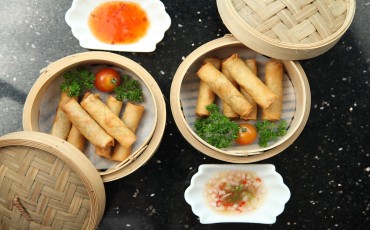
Anda punya rencana untuk jalan-jalan ke Semarang? Kota satu ini mempunyai banyak daya tarik. Mulai dari pilihan titik wisata yang unik hingga warisan kuliner legendaris!
Jika Anda berkunjung ke Kota Lama, Semarang Anda bisa melihat jejeran gedung-gedung tua nan kokoh peninggalan dari zaman Belanda. Bukan hanya gedung berusia ratusan tahun, lho, yang masih bisa Anda temui. Jajaran kuliner legendaris pun bisa Anda nikmati di Semarang. Ini daftarnya!
Nasi Koyor Kota Lama
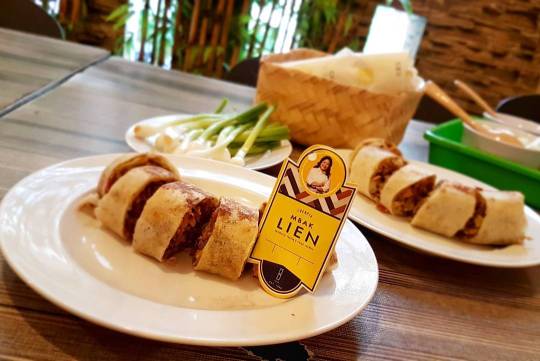
Pernah mendengar menu satu ini? Nasi Koyor merupakan hidangan yang bisa Anda temui di sekitar lokasi Kota Lama. Nasi Koyor sendiri berisi nasi, koyor (urat sapi), oseng kacang panjang, dan sambal. Menu legendaris ini sudah ada sejak 1955, lho! Pemiliknya meracik menu koyor dengan resep turun temurun yang diwariskan sejak dulu. Harganya pun murah, hanya sekitar Rp 25.000 sepiring saja dan Anda dipastikan kenyang.
(Sumber: https://ramahtraveler.com/kuliner-semarang/)
Loenpia Mbak Lien
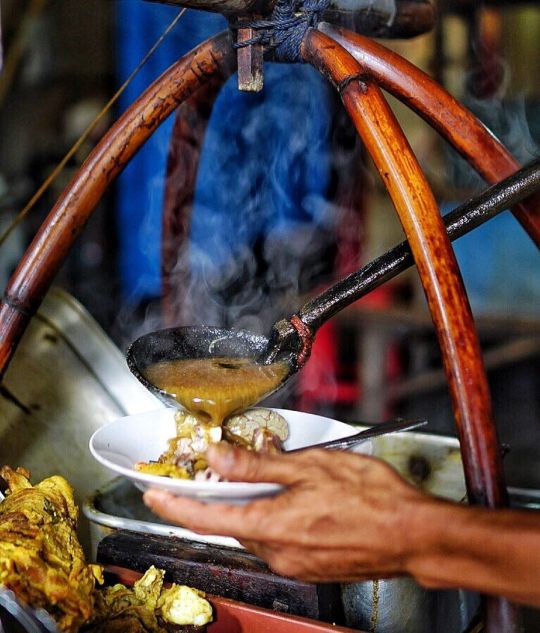
Kota Semarang cukup identic dengan lumpianya yang unik. Makanan yang menjadi oleh-oleh favorit khas Semarang ini berisi rebung, daging ayam, dan telur. Anda bisa mencoba Loenpia Mbak Lien yang telah berdiri sejak 1980. Toko lumpia ini pun terkenal di kalangan penduduk lokal maupun wisatawan. Anda tertarik mencobanya?
(Sumber: Instagram @bukanrastaman)
Gulai Kambing Bustaman Pak Sabar
Pecinta daging kambing tak perlu khawatir saat berkunjung ke Semarang. Pasalnya Anda bisa menikmati Gulai Kambing Bustaman Pak Sabar yang berada di dekat Gereja Blenduk. Perpaduan bumbu dan rempah dari Jawa dan Arab menyatu untuk memanjakan lidah Anda. Ditambah dengan kuah gulai yang gurih dari santan membuat Gulai Kambing Bustama menjadi spot kulineran yang diincar turis ataupun penduduk sekitar. Kuliner yang satu ini juga sudah berusia sepuh, karena telah ada sejak 1969. Yuk, cobain!
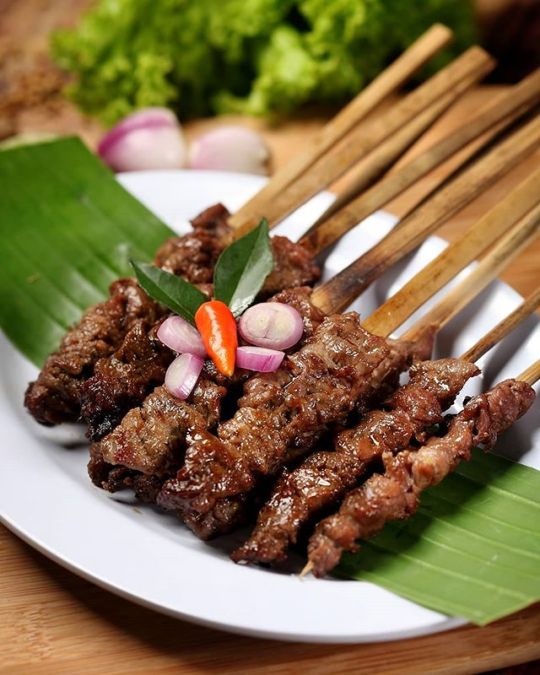
(Sumber: https://www.goodindonesianfood.com/story/semarang-sate-gule-kambing-29/)
Sate dan Gule Kambing 29
Jika gulai kambing belum cukup untuk memuaskan rasa ngidam Anda, maka kedai makan Sate & Gule Kambing 29 yang berdiri dari 1945-an patut dicoba. Anda bisa menemukan berbagai olahan daging kambing seperti sate buntel dan gulai. Bumbu sate meresepan hingga ke dalam daging menjadikan makanan satu ini “buruan wajib” bagi para pecinta kuliner. Wah, rasanya ingin langsung ke Semarang dan mencoba hidangan satu ini.
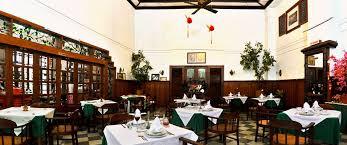
(Sumber: TokoOen.com)
Toko Oen
Toko yang menjaga kekentalan arsitektur Belanda ini sudah dikenal masyarakat sejak 1936. Anda bisa menikmati pengalaman makan sambil kembali ke tempo dulu yang membangkitkan rasa nostalgia.
Ketika Anda masuk ke Toko Oen, Anda bisa melihat potret Kota Semarang di zaman dahulu yang terpajang di dinding. Untuk semakin meresapi nuansa tempo dulu yang otentik, Anda bisa merasakan berbagai hidangan yang terkenal di jamannya seperti lumpia, bistik daging, es krim, dan banyak lagi.
Toko Oen juga memadukan cita rasa Eropa, Jawa, dan Tiongkok ke dalam seluruh hhidangannya. Menarik untuk dicoba, bukan?
Salam,
Sahabat MyProtection

Jakarta, 22 April 2020 - MyProtection News
Rasa cemas merupakan hal yang lumrah dirasakan oleh banyak orang. Namun, rasa cemas berlebih bisa mengganggu kegiatan sehari-hari. Apalagi, menghadapi pandemi COVID-19, tentu saja masyarakat bisa merasa sangat khawatir terhadap keselamatan diri dan keluarga.
Ciri dari gangguan kecemasan adalah rasa khawatir dan gugup/cemas secara konstan atau terus-menerus. Gangguan kecemasan ini bisa timbul akibat gangguan pada otak, lingkungan internal dan eksternal.
Penderita gangguan kecemasan bisa mengurangi gejalanya dengan mengonsumsi obat, berolahraga, dan latihan bernapas. Ternyata, ada juga beberapa makanan yang bisa membatu mengurangi rasa cemas Anda.
Dikutip dari Healthline, ada 5 bahan makanan yang bisa membantu mengurangi rasa cemas:
Salmon dikatakan dapat mengurangi rasa cemas. Salmon sendiri memiliki banyak nutrisi yang baik untuk tubuh seperti vitamin D, omega-3, eicosapentaenoic acid (EPA) dan docosahexaenoic acid (DHA). EPA dan DHA bisa membantu menghasilkan zat dopamin dan serotonin yang memberikan efek menenangkan pada tubuh. Vitamin D juga dikatakan bisa menenangkan saraf.
Mengonsumsi dark chocolate bisa bermanfaat untuk Anda. Darck chocolate mengandung flavonol, yaitu antioksidan yang berguna bagi otak.Flavonol memperlancar aliran darah ke otak dan mendorong otak bereaksi lebih baik terhadap stress. Sehingga, Anda bisa beradaptasi dengan baik terhadap rasa cemas dan stress.
Sejak dulu, chamomile merupakan herbal yang terkenal dengan fungsi menenangkan saraf. Chamomile mengandung banyak antioksidan untuk membantu melawan inflamasi dan meringankan gejala kecemasan berlebih. Anda bisa menikmati chamomile dalam bentuk teh untuk membantu diri menjadi lebih rileks.
Rempah andalan Indonesia ini mengandung senyawa bernama curcumin. Nantinya, curcumin akan berguna untuk menjaga kesehatan otak dan mencegah gangguan kecemasan. Kunyit juga mudah didapat oleh masyarakat. Anda bisa mengolahnya menjadi minuman atau dicampur sebagai bumbu makanan.
Anda pastinya sudah mengenal teh hijau beserta segudang manfaatnya. Teh hijau sendiri memiliki kandungan bernama L-theanine, yaitu asam amino yang membantu menjaga kesehatan otak dan mengurangi gejala cemas berlebih.
Jika Anda mengalami gangguan kecemasan, maka Anda bisa mencoba mengonsumsi makan di atas, bermeditasi, berolahraga, dan jangan lupa berkonsultasi dengan ahli. Kesehatan fisik dan mental Anda adalah prioritas!
Salam,
Sahabat MyProtection

Before building a garage, it’s important to first know the standard car parking sizes to avoid potential issues.
For example, a garage that’s too small could cause scratches on your car or even force you to rebuild the space, which requires extra costs.
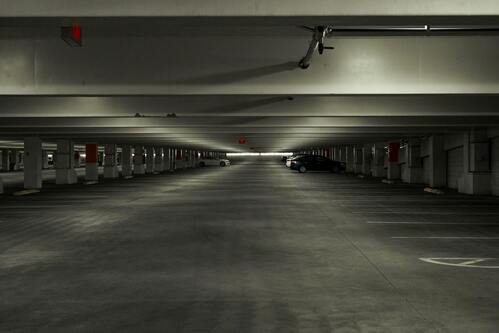
To avoid this, you need to know the ideal parking space size based on the type of car you own. To help you with that, here’s the ideal car parking size based on vehicle types. Let’s find out!
For small cars like the Toyota Agya, which measures about 3.66 meters in length, 1.6 meters in width, and 1.52 meters in height, the ideal parking space needed is around 3 x 5 meters.
If you own a different small car, just remember a simple rule, which is to add at least 60 cm to each side of the parking area, especially the left and right.
This ensures easier mobility for drivers and passengers when opening and closing doors without feeling cramped.
It also makes the parking process smoother and reduces the risk of accidents.
Medium cars like the Toyota Avanza, Toyota Yaris, or Toyota Raize, which are the type of cars that are very popular in Indonesia, require larger parking spaces.
For example, the Toyota Avanza has a length of 4.19 meters, a width of 1.66 meters, and a height of about 1.7 meters.
Unlike the smaller Toyota Agya, these cars need about 1.2 meters more space than a small car parking area.
This means the ideal parking size for medium cars is approximately 3 x 5.5 meters.
Large cars naturally need more space. Vehicles like the Toyota Fortuner, Pajero Sport, Daihatsu Gran Max, and Isuzu Elf fall into this category.
The Toyota Fortuner, for example, is about 4.8 meters long, 1.85 meters wide, and 1.83 meters tall, which clearly requires a bigger parking space than the Toyota Agya.
Using the same formula of adding 60 cm to each side, the ideal parking length for large cars should be at least 6 meters.
In general, the standard parking or garage size for one car, such as LCGC, city cars, or hatchbacks, should be around 4.5 meters long, 2 meters wide, and 2 to 3 meters high.
For larger cars, the ideal parking or garage space should be about 6 meters long, 2.6 meters wide, and 3 meters high, giving drivers enough room to park easily.
If you own two cars and want a proper parking or garage layout, the ideal size is about 6 x 6 meters or 6.5 x 6.5 meters, forming a square space.
This allows both cars to fit comfortably without the risk of scratching or bumping into each other.
Additionally, the growing number of compact cars on the market today provides more convenient options, especially for owners with limited space.
*PT Lippo General Insurance Tbk is licensed and supervised by Financial Services Authority (OJK)


