
Main Menu
MyProfile



Traditional Foods of Tasikmalaya - Tasikmalaya, also known as the City of Santri due to its many Islamic boarding schools and educational institutions, is also a popular culinary destination for tourists.
The unique traditional foods of Tasikmalaya have their own charm, such as Nasi Tutug Oncom, which uses oncom as its main ingredient, as well as light snacks like Wajit, Citruk, Opak, and many more.
So, what are the must-try traditional foods from Tasikmalaya that have become tourist favorites? Find out here!

Amid the financial challenges many people face today, they are often confronted with difficulties in finding the right way to pay off their debts and outstanding bills.
To help you pay off debt effectively, this article will discuss in depth the various methods that can be done to overcome this issue. Hope it helps!

The car starter motor, which functions to turn the engine on, is a crucial component for starting the vehicle.
Without a properly working starter motor, the engine won’t be able to start. Therefore, it’s important to recognize the signs of a weak or damaged starter motor. Read the full explanation below!
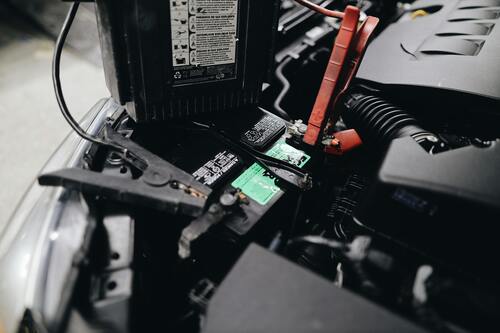
The first sign of a faulty starter motor is typically a whining or grinding noise, often related to the gears in the pinion gear and the engine ring gear.
If the noise gets louder, it usually indicates that the damage to the starter motor is worsening.
Additionally, the starter motor can produce a whining sound if the one-way bearing on the pinion gear is damaged.
Another common sign is difficulty starting the car, especially after long drives. This can occur when internal components, such as the starter gears, become worn out and can no longer function optimally.
When this occurs, the starter motor will struggle to turn the engine, especially when the engine is hot.
If this problem occurs, it’s essential to have it checked as soon as possible and fixed promptly to prevent further damage to other components.
If the car doesn’t respond when you turn the key to the start position, this could also be a sign of a faulty starter motor.
This may be caused by damaged internal components such as the solenoid or coil, resulting in insufficient power to start the engine.

While a drop in battery voltage can be caused by battery issues, it can also affect the performance of the starter motor.
This is because the starter motor needs a sufficient electrical current to turn the engine. If the battery voltage is too low, the car may not respond at all.
If your headlights suddenly turn off when trying to start the car, it may be due to an issue in the electrical system caused by a weak starter motor.
This happens when there’s not enough power left to distribute electricity to other components like the headlights.
Additionally, if the alternator or battery is also faulty, the electricity needed to support the starter motor will be reduced, making it fail to operate properly.
If this occurs, check both the starter motor and alternator as soon as possible. Ignoring the issue could lead to more serious problems.
If you hear a loud clicking sound when pressing the start button, this could indicate that the starter motor is faulty and unable to turn the engine over.
This may be caused by insufficient torque produced by the motor to operate effectively. Therefore, if this issue arises, it’s crucial to have it checked to identify the root cause.
Those are the 6 signs of a faulty car starter motor, an essential part for turning on the engine and ensuring your vehicle runs properly.
Given its important role, keeping your car’s starter motor in optimal condition is a must. Hope this helps!
*PT Lippo General Insurance Tbk is licensed and supervised by Financial Services Authority (OJK)


