
Main Menu
MyProfile
Jakarta, 20 Januari 2019 - MyProtection News
Akhir-akhirnya, banyak perbincangan mengenai Saffron dan manfaatnya. Saffron sendiri merupakan rempah berbentuk benang halus dari bunga Crocus sativus. Tumbuhan ini bisa dijadikan sebagai rempah, bumbu penyedap masakan, sampai alternatif untuk kesehatan, lho!
Rempah berwarna merah ini dinobatkan sebagai salah satu tumbuhan termahal di dunia. Cara penanaman hingga panen Saffron cukup rumit dan membutuhkan teknik khusus. Untuk mendapatkan 1 gram benang Saffron, dibutuhkan 150 tangkai bunga.
Ternyata, menurut sejumlah penelitian, Saffron memiliki beberapa manfaat untuk kesehatan.
Seiring dengan berjalannya waktu, fungsi otak seseorang bisa menurun. Menurut studi mengenai penyakit Alzheimer, mengonsumsi 15 mg Saffron sebanyak 2 kali sehari dapat meningkatkan fungsi kognitif dengan cukup signifikan.
Saffron yang mengandung antioksidan dapat menjaga fungsi otak Anda dan mengurangi resiko Alzheimer. Saffron juga membantu mempertahankan kemampuan penglihatan Anda.
Selain baik untuk otak, saffron juga cocok dikonsumsi penderita diabetes. Saffron dapat meningkatkan sensitivitas insulin dalam tubuh. Sehingga kadar gula bisa lebih terjaga. Anda bisa mengonsumsi saffron dalam bentuk kapsul ataupun menyeduh benang saffron.
Baca juga: Minyak Ikan Bantu Kurangi Risiko Penyakit Jantung
Kegiatan sehari-hari dapat membuat seseorang merasa lelah baik secara fisik maupun mental. Saffron dikatakan dapat memperbaiki suasana hati dan membantu mengatasi depresi ringan hingga sedang. Efek samping yang didapatkan pun cenderung minimal. Saffron juga memiliki efek antioksidan dan neuroproteksi atau perlindungan bagi saraf.
Kandungan antioksidan tinggi bernama crocin dalam saffron bisa membantu menangkan radikal bebas penyebab timbulnya kanker dalam tubuh. Contohnya seperti kanker kulit, kanker serviks, kanker prostat, dan kanker lainnya.
Terdapat juga penelitian yang menyatakan bahwa saffron bisa membuat kanker lebih sensitif terhadap kemoterapi. Sehingga penyembuhan dari kanker bisa berjalan lebih efektif. Namun, korelasi antara keduanya masih perlu diteliti lebih lanjut.
Agar tubuh tetap sehat, Anda dianjurkan untuk mengonsumsi saffron. Tumbuhan ini mengandung antioksidan bernama crocin, crocetin, safranal, dan kaempferol. Crocin dan crocetin dalam saffron berperan sebagai anti-depresan, menjaga kesehatan sel otak, dan menurunkan nafsu makan untuk menurunkan berat badan. Safranal dapat meningkatkan suasana hati dan kemampuan berpikir seseorang. Kaempferol berguna sebagai zat anti-kanker yang menekan perkembangan sel kanker dalam tubuh.
Para wanita dapat mengurangi rasa nyeri saat PMS dan haid dengan mengonsumsi 30 mg saffron. Bahkan, nyeri haid bisa berkurang hanya dengan menghirup aroma saffron selama 20 menit. Saffron juga baik untuk mengatasi inflamasi dalam tubuh, lho!
Nah, Sahabat MyProtection, apakah Anda tertarik untuk mengonsumsi saffron? Walaupun khasiatnya beragam, Anda tetap harus mengonsumsi tumbuhan ini sesuai takaran yang dianjurkan. Sesuatu yang berlebihan tidak akan baik untuuk tubuh.
Selamat hidup sehat!
Salam,
Sahabat MyProtection
Baca juga: Diet Bikin Moody, Ini Alasannya



Brake fluid plays a crucial role in maintaining the performance of a car’s braking system, which is essential for safe driving.
Different types of brake fluids are available on the market, each with its own characteristics and quality that directly affect the condition and durability of the braking components.
By choosing the right brake fluid, your car's braking system can function optimally, improve braking power, and reduce the risk of overheating. So, what are the types of brake fluids for cars? Let’s take a closer look!
Below are several types of car brake fluid you can choose for your vehicle, complete with their pros and cons. Keep reading to learn more!
The first type of brake fluid for cars is DOT 3, which contains glycol ether and has the main characteristic of being water absorbent or hygroscopic. Even though it absorbs water, the fluid’s consistency remains the same after mixing.
DOT 3 has the lowest boiling point compared to other brake fluids at around 206 degrees Celsius.
However, DOT 3 must be replaced regularly. If not, it can damage natural rubber parts, car paint, and even cause rust to form.
DOT 4 is commonly used in older cars with braking systems that generate higher heat.
This type of brake fluid is easy to find and has a higher boiling point than DOT 3 at around 230 degrees Celsius for dry and 155 degrees Celsius for wet.
DOT 4 is also made from glycol ether but has a lower hygroscopic nature, meaning it absorbs less water. However, it still has the potential to damage paint and cause corrosion within the braking system.
In terms of price, DOT 4 is more expensive than DOT 3, but it offers better heat resistance and is suitable for vehicles with high performance braking needs.
Unlike DOT 3 and DOT 4, DOT 5 is silicone-based, which means it does not absorb water and has a higher boiling point.
This makes DOT 5 ideal for all types of rubber brake parts and for use in humid environments.
On the downside, DOT 5 has lower lubricating properties and requires more effort when braking.
It’s also important to note that DOT 5 cannot be mixed with glycol-based fluids like DOT 3 or DOT 4. Therefore, the braking system must be completely flushed before switching to DOT 5.
Another type of brake fluid for cars is DOT 5.1, which is an upgraded version of DOT 5.
DOT 5.1 is formulated with borate ester and glycol ether, providing enhanced performance and higher resistance to extreme temperatures.
Like DOT 5, it has a high boiling point and can perform well under demanding conditions.
What sets DOT 5.1 apart is its better compatibility with modern braking systems and improved efficiency in maintaining braking stability.
This advanced formulation overcomes the limitations of DOT 5, offering more reliable protection for braking components and ensuring consistent brake response over longer periods.
*PT Lippo General Insurance Tbk is licensed and supervised by Financial Services Authority (OJK)

Jakarta, 24 Februari 2021 - Myprotection News
Hi, Sahabat MyProtection!
Tentunya paling senang kalau sudah mendengar kata gajian!
Namun sebelum kamu menghabiskan uang untuk belanja dan checkout keranjang di e-Commerce langgananmu, jangan melupakan 3 prioritas utama ini ketika mengelola keuangan pasca gajian:
Penting bagi kamu untuk melunasi cicilan atau utang jika ada seperti cicilan rumah dan mobil. Pasalnya, semakin lama ditunda, bunga pinjaman atau utang bisa jadi semakin besar. Pastikan juga kamu menyisihkan uang terlebih dahulu untuk membeli kebutuhan pokok seperti listrik, air, biaya sekolah anak, dan makanan.
Saat ini, menabung dan mulai berinvestasi menjadi salah satu prioritas utama bagi kita semua. Baik untuk kamu yang masih lajang ataupun sudah berkeluarga. Menghadapi situasi tak pasti, kamu wajib menyiapkan tabungan atau dana darurat minimal 10% - 20% dari pendapatanmu. Selain menabung, kamu juga bisa belajar berinvestasi walaupun nilainya kecil. Baik investasi saham, reksadana, dan investasi kesehatan dengan memiliki asuransi kesehatan dan harta benda!
Sahabat MyProtection, tentunya kita berharap selalu diberikan kesehatan baik secara fisik, mental, dan materi. Namun, di luar sana masih ada banyak orang yang tidak seberuntung kamu saat ini. Jangan lupa untuk berbagi dan membantu sesama. Berbagi tak melulu bicara soal uang. Berbagi ilmu dan pengalaman juga bisa! Khususnya di tengah pandemi COVID-19 ini, mari kita hadapi bersama dan saling bahu membahu menolong sesame.
Salam,
Sahabat MyProtection
Jakarta, 21 Juli 2020 - MyProtection News
Dalam masa pandemi COVID-19 ini, masyarakat diminta selalu waspada dan menjaga kebersihan, terutama membangun kebiasaan mencuci tangan dengan air dan sabun untuk mengurangi penyebaran virus.
Pemerintah serta World Health Organization juga menyarankan masyarakat secara rutin menyemprotkan disinfektan ke permukaan dan barang yang sering disentuh. Karena mungkin virus menempel pada benda ketika seseorang bersin dan batuk atau menyentuh barang dengan tangan yang terkontaminasi.
Lalu, bagaimanan dengan uang kertas dan koin? Apakah uang dapat menjadi sarana penyebaran virus?
Berdasarkan penelitian, virus SARS-CoV-19 penyebab dari COVID-19 mempunyai jangka waktu hidup yang berbeda pada tiap permukaan. Virus COVID-19 bisa hidup selama 3 hari pada permukaan plastik, 1 hari pada permukaan kertas/kardus, dan tidak lebih dari 4 jam pada permukaan besi.
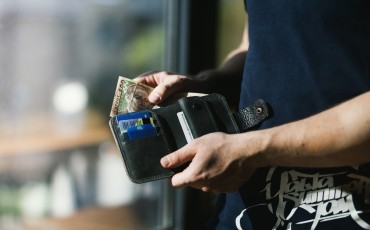
Virus mungkin saja menempel pada uang ketika seseorang bersin dan batuk atau menyentuh uang dengan tangan yang terkontaminasi. Namun, hingga saat ini belum ada penelitian yang membuktikan bahwa penularan virus COVID-19 bisa terjadi melalui uang. Meskipun begitu, masyarakat tetap disarankan untuk waspada.
Cuci tangan segera setelah Anda menyentuh uang. Jika Anda tidak bisa mengakses air dan sabun, maka gunakan hand sanitizer. Hindari menyentuh mata, mulut, hidung, serta masker setelah menyentuh uang. Anda juga bisa menggunakan metode pembayaran cashless menggunakan e-wallet atau kartu debit. Setelahnya, kartu dan ponsel Anda bisa dibersihkan dengan cairan disinfektan.
Salam,
Sahabat MyProtection


