
Main Menu
MyProfile
Jakarta, 13 Juli 2020 - MyProtection News
Hi, Sahabat MyProtection!
Bagaimana kegiatan Anda selama menjalani new normal? Walaupun saat ini Anda diperbolehkan untuk beraktivitas di luar rumah dengan batasan tertentu, jangan lupa bahwa kita masih berjuang melawan pandemi COVID-19.
Oleh karena itu, selain jaga jarak dan jaga kebersihan ada 1 hal lagi yang perlu dijaga. Keakuratan penyebaran informasi seputar COVID-19 penting untuk dijaga! Setaip harinya kita terpapar banyak informasi baru. Sebelum kita mempercayai atau menyebarkan berita soal COVID-19, Anda bisa cek fakta dan mitos seputar virus ini agar tidak keliru!
Fakta! Menurut World Health Organization, Anda bisa melepas masker saat berolahraga. Menggunakan masker saat berolahraga bisa menyebabkan masker menjadi lembap akibat keringat dan membuat napas menjadi tak nyaman. Selain itu, keringat pada masker bisa memicu pertumbuhan kuman.
Hanya saja, Anda wajib menjaga jarak minimal 1 meter dengan orang lain saat berolahraga. Apalagi jika Anda tidak menggunakan masker.
Semua orang diwajibkan untuk menggunakan masker dengan pengecualian anak-anak berusia di bawah 2 tahun, individu dengan gangguan pernapasan akut, dan individu dengan kebutuhan khusus. Bayi serta anak balita juga tidak disarankan untuk menggunakan face shield yang terbuat dari plastik. Jika Anda memiliki anak kecil, maka disarankan untuk menjauhi kerumunan serta tempat umum.
Dikutip dari CDC, Anda bisa menggunakan face shield jika Anda petugas kesehatan atau harus bertemu dan berada di tengah orang banyak. Namun, face shield tidak bisa menggantikan penggunaan masker. Jika Anda tidak ingin menggunakan masker, maka face shield harus menutupi hingga ke bawah dagu dan sisi samping wajah.
Jangan lupa face shield sekali pakai harus segera dibuang setelah digunakan. Sedangkan face shield yang bisa digunakan kembali harus disemprot disinfektan secara berkala.
Mengonsumsi alkohol atau menyemprotkan alkohol tidak bisa membunuh dan mencegah penyebaran virus. Sebaliknya, konsumsi alkohol dan menyemprotkan alkohol ke seluruh tubuh bisa berbahaya. Terutama jika alkohol mengenai bagian sensitif seperti mata dan mulut. Jika Anda ingin menggunakan alkohol, cukup gunakan hand sanitizer untuk telapak tangan.
Pengecekan suhu tubuh tidak bisa menjadi indicator seseorang positif terjangkit virus COVID-19. Demam bisa disebabkan oleh banyak faktor. Selain itu, penderita COVID-19 pun belum tentu menunjukkan gejala seperti demam. Untuk memastikan seseorang positif terjangkit COVID-19, dibutuhkan tes di laboratorium.
Namun, tidak ada salahnya berjaga-jaga. Jika Anda merasa demam, batuk, pilek, dan tidak enak badan maka sebaiknya Anda beristirahat di rumah, konsumsi obat yang sesuai, dan Anda juga bisa memanfaatkan fitur online doctor consultation dari asuransi kesehatan MyProtection. Sehingga Anda bisa berobat dari rumah dan obat dari resep dokter pun bisa diantarkan ke depan pintu rumah Anda!
Salam,
Sahabat MyProtection


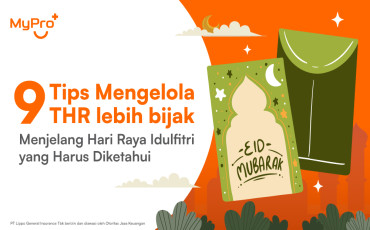
As the celebration of Eid al-Fitr approaches, having proper tips on managing THR (Holiday Allowance) wisely becomes very crucial. Generally, this allowance is used to shop for various Eid necessities, but some people also choose to set aside a portion of it for savings.
Government Regulations also explain the general purpose of providing THR, which is to maintain the level of public purchasing power to contribute to national economic growth, as well as to enhance the welfare of State Officials, Retirees, Pension Recipients, and Allowance Recipients as a form of appreciation for their service to the nation and the country.
To help sahabat MyPro+, we will discuss various tips on managing THR properly and wisely below. Take a look at the following tips.
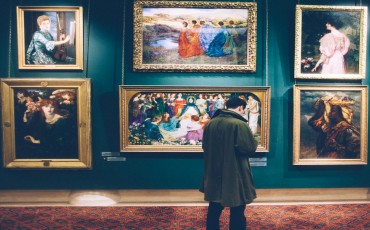
Kabar baik untuk Anda yang sering berkunjung ke museum seni! Menurut studi yang dilakukan oleh periset di University College London, mengunjungi museum, galeri seni, dan teater bisa membuat Anda hidup lebih lama. Menarik, bukan?
Dilansir oleh The Jakarta Post, beberapa peneliti di University College London melakukan riset terhadap kurang lebih 6.700 partisipan dalam rentang usia 50 tahun yang mengaku sering terlibat dalam kegiatan seni seperti festival, museum, opera, dan pameran seni.
Setelah melakukan observasi selama 12 tahun, ditemukan data yang menarik. Dari hasil observasi, partisipan yang terlibat dengan kegiatan aristik seperti mengunjungi teater 1 – 2 kali dalam setahun memiliki kemungkinan lebih rendah untuk meninggal sebesar 14% dibanding partisipan yang tidak pernah mengikuti pameran seni apapun.
Baca juga: Mendengarkan Musik Turunkan Stress Saat Berkendara
Tidak hanya itu, Sahabat MyProtection. Ditemukan bahwa partisipan yang makin sering berpartisipasi dalam acara kesenian mempunyai kemungkinan untuk meninggal lebih rendah sebesar 31% atau lebih. Namun, perlu diingat bahwa terdapat faktor lain yang juga mempengaruhi angka harapan hidup seseorang.
Selain menikmati seni berpotensi memperpanjang umur Anda, terlibat dalam pembuatan seni juga baik untuk otak Anda. Dikutip dari Harvard Health Publishing, terlibat dalam kegiatan seni seperti membuat lukisan atau mengunjungi dapat meningkatkan performa otak, nengurangi stress dan memberikan ketenangan bagi individu yang menjalani perawatan di rumah atau rumah sakit.
Bahkan, kegiatan melukis sering kali direkomendasikan kepada penderita Dementia karena membantu penderita mengingat hal dengan lebih baik. Kalau Anda, kegiatan seni apa, sih yang paling diminati?
Salam,
Sahabat MyProtection
Baca juga: Minyak Ikan Bantu Kurangi Risiko Penyakit Jantung
Jakarta, 29 Maret 2020 - MyProtection News
Ketika berpuasa, ada berbagai tantangan yang bisa kita hadapi. Salah satunya menahan rasa lapa dan haus. Tubuh pun rentan mengalami kekurangan cairan dan nutrisi tubuh karena waktu makan terbatas. Gangguan kesehatan yang lazim terjadi saat berpuasa adalah panas dalam.
Aswin Pramono, dokter ahli penyakit dalam dari RS Carolus Jakarta menyatakan bahwa panas dalam bisa berhubungan dengan kekurangan cairan tubuh. Apalagi jika asupan hidrasi tidak dipenuhi ketika buka puasa dan tubuh.
Ketika tubuh panas dalam akibat dehidrasi saat berpuasa maka efek yang bisa dirasakan adalah demam ringan, air liur kering, kelenturan kulit terganggu serta bibir pecah-pecah. Jika dibiarkan terus menerus, tubuh akan mudah terserang flu dan penyakit lainnya.
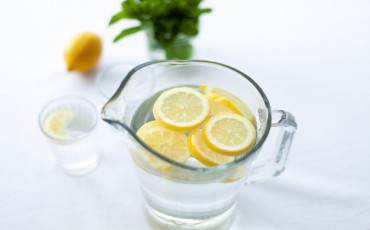
Oleh karena itu penting untuk minum air putih yang cukup, bahkan saat puasa. Triknya adalah minum segelas air putih saat berbuka & setelah salat magrib. Dilanjutkan 2 gelas air putih setelah berbuka atau makan besar. Lalu 1 gelas air putih setelah tarawih dan 1 gelas lagi sebelum tidur. Kemudian Anda bisa meminum segelas air putih saat sahur dan 2 gelas air putih seusai sahur. Pastikan Anda minum setidaknya 8 gelas atau 2 liter air putih sesuai kebutuhan dan kondisi tubuh.
Anda juga bisa mengonsumsi beberapa makanan saat panas dalam mulai menyerang. Contohnya seperti jeruk yang kaya vitamin C, buah pisang untuk memperlancar pencernaan, susu & yoghurt yang bernutrisi. Berbagai buah-buahan ini bisa Anda olah menjadi takjil atau jus agar tak membosankan.
Salam,
Sahabat MyProtection


