
Main Menu
MyProfile
Jakarta, 29 Maret 2020 - MyProtection News
Ketika berpuasa, ada berbagai tantangan yang bisa kita hadapi. Salah satunya menahan rasa lapa dan haus. Tubuh pun rentan mengalami kekurangan cairan dan nutrisi tubuh karena waktu makan terbatas. Gangguan kesehatan yang lazim terjadi saat berpuasa adalah panas dalam.
Aswin Pramono, dokter ahli penyakit dalam dari RS Carolus Jakarta menyatakan bahwa panas dalam bisa berhubungan dengan kekurangan cairan tubuh. Apalagi jika asupan hidrasi tidak dipenuhi ketika buka puasa dan tubuh.
Ketika tubuh panas dalam akibat dehidrasi saat berpuasa maka efek yang bisa dirasakan adalah demam ringan, air liur kering, kelenturan kulit terganggu serta bibir pecah-pecah. Jika dibiarkan terus menerus, tubuh akan mudah terserang flu dan penyakit lainnya.
Oleh karena itu penting untuk minum air putih yang cukup, bahkan saat puasa. Triknya adalah minum segelas air putih saat berbuka & setelah salat magrib. Dilanjutkan 2 gelas air putih setelah berbuka atau makan besar. Lalu 1 gelas air putih setelah tarawih dan 1 gelas lagi sebelum tidur. Kemudian Anda bisa meminum segelas air putih saat sahur dan 2 gelas air putih seusai sahur. Pastikan Anda minum setidaknya 8 gelas atau 2 liter air putih sesuai kebutuhan dan kondisi tubuh.
Anda juga bisa mengonsumsi beberapa makanan saat panas dalam mulai menyerang. Contohnya seperti jeruk yang kaya vitamin C, buah pisang untuk memperlancar pencernaan, susu & yoghurt yang bernutrisi. Berbagai buah-buahan ini bisa Anda olah menjadi takjil atau jus agar tak membosankan.
Salam,
Sahabat MyProtection



The voltage of a car battery plays a vital role in the performance of the vehicle’s electrical system, serving as the main source of electrical power.
Therefore, keeping the battery voltage stable is essential; this can be achieved through regular inspections and maintenance to ensure the car runs optimally.
So, what is the normal and ideal car battery voltage, and how can you maintain it? Let’s take a look at the explanation below!
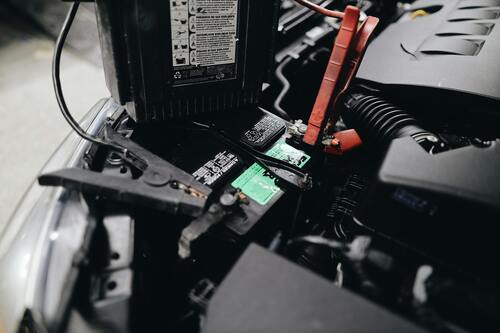
To ensure the vehicle’s electrical system operates properly, knowing the standard car battery voltage is essential. Here are some standard voltage levels in different conditions:
When the engine is off, a healthy car battery voltage is around 12.6 volts, indicating the battery is fully charged. If it drops below 12 volts, it’s a sign you should inspect or service it.
When the engine is running, the voltage increases due to the alternator recharging the battery. Normally, it ranges between 13.5 and 14.5 volts, showing that the charging system is functioning correctly.
If the voltage drops to 12 volts while the engine is on, it may indicate an issue with either the alternator or the battery itself. When it drops to 11 volts or lower, it can cause disruptions in the car’s performance, especially in the engine and electronic components.
If the car’s battery voltage drops below 12 volts, the vehicle’s electrical system will start to experience problems.
That’s why it’s important to maintain your car’s battery regularly. Here are some ways to optimize its condition:
Check the battery water level. If it reaches the minimum mark, refill it according to the battery’s container requirements.
Avoid excessive use of additional accessories, such as neon lights, high-powered audio systems, or chargers that can overload the battery and cause voltage drops.
Routine servicing not only keeps the engine in good condition, but it also ensures the electrical system, especially the battery, functions properly. Regular checks help prevent unstable voltage or loss of power.
Drive wisely, avoid sudden acceleration, and maintain a steady speed. Short trips with frequent stops can prevent the battery from charging fully, potentially leading to a voltage drop.

In summary, a healthy car battery voltage is usually around 12.6 volts when the engine is off and 13.5 – 14.5 volts when the engine is running.
If the voltage falls below this range, it indicates a potential issue with the battery or the charging system that requires immediate inspection.
Maintaining a car battery is not difficult; you just need to check the water level, avoid excessive accessories, perform regular servicing, and drive properly.
With these simple steps, your car’s battery voltage will remain stable, ensuring the electrical system works optimally and extending the battery’s lifespan.
*PT Lippo General Insurance Tbk is licensed and supervised by Financial Services Authority (OJK)

Jakarta, 16 Maret 2020 - MyProtection News
Mendidik anak untuk menjad cerdas tidak cukup dengan memasukan anak ke sekolah, mendaftarkannya mengikuti segudang les, ataupun terbatas pada ukuran akademik.
Sebaliknya, anak yang cerdas lahir dari pola didikan orang tua yang tepat serta efektif dan dibutuhkan proses panjang serta kompleks.
Berikut ini beberapa tips parenting rekomendasi psikolog yang bisa Anda tiru:
Sebagai orang tua, tentunya Anda ingin memberikan yang terbaik kepada anak. Anda mungkin tergoda untuk mengatur jadwal anak dan memilihkan sekolah atau les untuk anak Anda agar ia bisa tumbuh dengan skill yang dibutuhkan.
Namun, kecerdasan anak tumbuh dari imajinasi, eksplorasi, dan bermain sesuka hati. Berikan anak Anda kesempatan untuk mencoba banyak hal dan belajar dari pengalamannya. Wajar bagi anak kecil untuk merasa penasaran dan cepat bosan,terutama jika disodorkan dengan jadwal padat dengan kegiatan yang belum tentu ia sukai.
Teknologi dapat membantu Anda serta anak dalam lingkup edukasi. Berbagai tontonan serta permainan interaktif bisa merangsang kognitif anak.
Misalnya penggunaan virtual reality bisa mengajarkan anak terhadap kejadian di masa lalu atau masa depan seperti kehidupan zaman pra sejarah atau permainan petualangan. SehinggaAnak bisa ikut merasakan kejadian di dalamnya.
Soal pertemanan, tentu saja memiliki banyak teman bisa jadi hal yang baik untuk anak. Melalui teman, si kecil belajar bersosialisasi, beradaptasi, dan bernegosiasi. Hanya saja, Anda tetap harus memperhatikan dengan siapa saja anak berteman. Berikan pengertian kepada anak untuk menghindari teman yang membawa pengaruh buruk seperti mengajak berbohong, suka memukul, atau sering melawan guru. Karena pertemanan yang buruk bisa merusak kebiasaan baik.
Gaya parenting Anda yang sudah baik harus didukung dengan sekolah dan guru yang baik pula. Ketika anak mulai bersekolah, maka setidaknya anak akan menghabiskan 4 – 6 jam di sekolah. Sehingga kebiasaan baik yang ada di rumah harus didukung dengan guru dan sistem pendidikan memadai. Anda juga harus mempertimbangkan minat dan bakat anak. Sehingga Anda bisa membantu mempersiapkan rencana pendidikan yang tepat untuk anak.
Setiap anak memiliki karakter dan keunggulannya masing-masing. Orang tua memang menginginkan yang terbaik untuk buah hatinya. Namun, peran orang tua adalah mengarahkan minat dan bakat anak dan memberi fasilitas sebaik mungkin.
Misalnya, mungkin Anda ingin sang buah hati terlibat dengan banyak kegiatan sosial dan punya banyak teman, tetapi bisa jadi si kecil lebih pendiam dan introvert. Sehingga ketika dipaksa bersosialisasi, anak malah akan menjadi gugup dan pemalu. Contoh lainnya adalah ketika si kecil lebih suka bermain atau berolahraga dibanding belajar atau mengikuti les akademik. Coba untuk memahami keinginan dan karakter anak. Selama kebiasaan atau perilaku anak tidak menyimpang, maka Anda cukup mengawasi sambil memberikan arahan yang tepat bagi anak.
Salam,
Sahabat MyProtection

Left-sided abdominal pain can be caused by many factors, ranging from mild conditions such as bloating to much more serious illnesses that you should be aware of.
If the pain does not subside within 1 to 2 days, MyProtection friends should immediately consult a doctor to prevent dangerous health complications, such as kidney stones or ovarian cysts.
This is because the left side of the abdomen is where several vital organs are located, including the spleen, pancreas, left kidney, large intestine, liver, and adrenal glands.
In this article, we will discuss in more detail the possible causes of left-sided abdominal pain and the accompanying symptoms. Read on to learn more!


