
Main Menu
MyProfile
Jakarta, 13 Desember 2019 - MyProtection News
Liburan sambil melakukan road trip memang memiliki keseruannya sendiri. Selain Anda bisa menikmati waktu mengobrol bersama keluarga atau teman, Anda juga berpotensi untuk menghemat biaya transportasi. Perjalanan juga bisa terasa aman dan nyaman jika ditemani dengan asuransi kendaraan MyCar dari Myprotection. Hanya saja sebelum melakukan perjalanan jauh, baik pemilik kendaraan maupun kendaraannya harus cek kesehatan dulu. Tujuannya agar Anda bisa melakukan perjalanan dengan aman dan nyaman.
Yuk lihat daftar kesehatan mobil yang harus Anda cek!
Mesin
Menyadur dari Otomotifnet.com (12/10), bagian yang perlu dicek terlebih dahulu adalah mesin. Pastikan Anda memberi perhatian pada komponen vital mesin seperti minyak rem, oli mesin, oli transisi, minyak power steering.
Selanjutnya, Anda bisa memeriksa fungsi lampu. Apakah lampu rem, head lamp dan fog lamp menyala dengan baik. Saat melakukan perjalanan, bisa saja Anda harus melewati jalan yang gelap atau diterpa hujan deras.
Ketiga, pastikan kendaraan Anda rutin menjalani general check-up di dealer terdekat. Sehingga saat terjadi kerusakan, Anda bisa segera mengatasinya dan meminimalkan resiko kerusakan mobil di tengah perjalanan.
Kaki-kaki Mobil
Setelah mengecek mesin, bagian kaki-kaki mobil merupakan titik yang tak boleh terlewat. Jika tidak ada suara, kemungkinan bagi kaki mobil masih baik. Namun, tidak ada salahnya melakukan servis rutin untuk memastikan keamanan mobil Anda. Bagian ban mobil serta kekencangan rem juga menjadi titik penting yang harus Anda perhatikan.
Interior
Interior mobil yang bersih dapat membuat Anda lebih nyaman dalam berkendara. Mungkin saat baru membeli, mobil Anda masih bersih sempurna. Namun, setelah 6 bulan, upayakan membersihkan bagian dalam mobil secara berkala. Contohnya, Anda bisa menjaga kebersihan jok dan karpet dalam mobil dengan menyikat atau melakukan vacuum. Pastikan tidak ada sampah yang tertinggal dalam mobil karena bisa menyebabkan bau tak sedap. Tidak jarang juga mobil menjadi sarang serangga akibat sampah makanan yang dibiarkan di dalam mobil.
Kalau sudah memastikan interior mobil Anda bersih dan nyaman, sekarang waktunya memberi perhatian pada eksterior mobil. Baik kaca spion maupun kaca jendela mobil harus selalu bersih dan terpasang dengan baik. Cek juga apakah terdapat goresan atau dent pada mobil Anda. Jika Anda memiliki asuransi mobil seperti MyCar Protection, maka ini waktunya Anda menggunakan fasilitas asuransi untuk membuat penampilan mobil kembali prima.
Proteksi Kendaraan
Terakhir, bukan hanya pengemudi saja yang membutuhkan proteksi. Namun, kendaraan Anda juga. Ada begitu banyak ketidakpastian yang mungkin terjadi selama perjalanan dilakukan. Contohnya seperti kecelakaan, bencana alam, dan kelalaian manusia. Anda bisa memilih asuransi kendaraan untuk meminimalisir kerugian di masa depan, baik untuk Anda dan kendaraan Anda. Ada pepatah sedia payung sebelum hujan. Maka tidak ada salahnya berjaga-jaga sebelum terjadi hal tidak menyenangkan.
Selamat menjalani road trip yang seru dan aman! Jangan lupa untuk selalu menjaga keamanan diri dan pengemudi lain di jalan.
Salam,
Sahabat MyProtection


Jakarta, 11 Juni 2020 - MyProtection News
Walaupun pandemi belum berlalu, tapi saat ini beberapa perkantoran, toko, hingga mal sudah kembali dibuka untuk umum. Meskipun begitu, masyarakat diwajibkan untuk tetap mematuhi Pembatasan Sosial Berskala Besar dan peraturan new normal.
Anda diminta untuk selalu menjaga jarak, kebersihan, serta kesehatan ketika bepergian. Sehingga risiko penyebaran serta penularan virus COVID-19 tetap minimal.
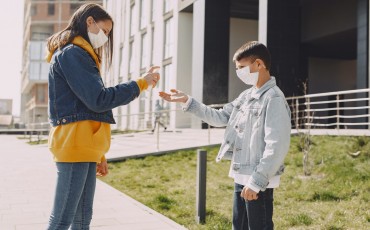
Jika Anda sudah mulai kembali pergi ke kantor atau beraktivitas di luar ruangan, maka ada beberapa hal yang wajib Anda bawa saat bepergian ke luar rumah.
Tisu basah dapat Anda gunakan untuk membersihkan tangan dan permukaan benda yang kotor. Tisu basah yang mengandung alkohol juga ideal karena bisa membersihkan kuman secara ekstra.
Tisu kering juga penting untuk dibawa ketika Anda harus mengeringkan tangan atau menutup mulut ketika batuk/bersin. Pastikan tisu tersimpan dan tersegel dengan rapi.
Cairan pembersih tangan perlu dibawa ketika Anda bepergian atau menggunakan transportasi umum. Sehingga Anda bisa tetap menjaga kebersihan tangan walaupun sedang tak memiliki akses terhadap air mengalir dan sabun.
Jangan lupa membawa masker cadangan ketika Anda bepergian. Sehingga ketika masker yang digunakan kotor atau lembap bisa segera diganti dengan yang baru. Jika Anda menggunakan masker kain, maka letakan masker ke dalam plastic lalu segera cuci setelah Anda sampai di rumah. Jika Anda menggunakan masker sekali pakai, pastikan Anda membuang masker ke tempat sampah tertutup.
Untuk menjaga kebersihan dan keamanan, Anda dianjurkan membawa peralatan makan sendiri seperti sendok, kotak makan, dan botol minum. Jangan gunakan alat makan bersamaan dengan orang lain.
Jika Anda khawatir membeli makan di luar, Anda bisa membawa bekal atau camilan sendiri yang tentu saja kebersihannya bisa lebih terjaga. Apalagi, asupan bernutrisi dibutuhkan untuk menjaga kekebalan tubuh di tengah pandemi.
Setelah mencuci tangan dan menggunakan hand sanitizer berulang kali dalam sehari, tangan bisa terasa kering dan kasar. Tangan yang kering bisa memicu terjadinya luka atau lecet dan membuat tangan menjadi rentan terhadap kuman. Oleh karena itu, Anda bisa berjaga-jaga dengan membawa lotion.
Beraktivitas di luar ruangan memang tak akan sebebas biasanya. Interaksi fisik dengan orang lain pun makin dibatasi. Agar Anda tetap merasa aman dan nyaman walau harus bepergian ke tempat umum selama pandemi COVID-19, lengkapi proteksi diri dan keluarga dengan Perlindungan Kesehatan PRIMA.
Anda bisa menikmati fitur Saldo Prima, yaitu saldo untuk beli vitamin/obat tanpa resep dokter dan diganti asuransi. Klaim cardless dan cashless. Laporan klaim secara online. Pastinya juga menjamin COVID-19.
Nikmati diskon 10% untuk pembelian Perlindungan Kesehatan PRIMA selama Juni 2020, selengkapnya di sini.
Salam,
Sahabat MyProtection
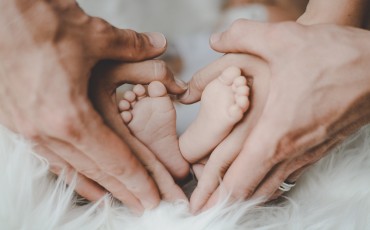
Seiring dengan berjalannya waktu, masyarakat semakin sadar akan pentingnya memiliki asuransi kesehatan. Berbagai ancaman terhadap kesehatan bisa terjadi kapan dan dimana saja. Oleh karena itu, asuransi hadir untuk meminimalisir kerugian dan kekhawatiran Anda terhadap penyakit di masa depan.
Nah, apakah saat ini Sahabat MyProtection sedang mencari asuransi? Bagaimana, sih, menentukan asuransi yang tepat? MyProtection punya tips yang bisa membantu Anda.
Saat ingin membeli asuransi, langkah pertama yang dapat Anda ambil adalah mengetahui kebutuhan dengan jelas. Dengan begitu, Anda bisa mengerucutkan pilihan pada tawaran asuransi yang menawarkan manfaat sesuai dengan keinginan.
Misalnya, Anda ingin memiliki asuransi yang memiliki manfaat rawat jalan (out-patient) dan rawat inap & bedah (in-patient) Selain itu, mungkin Anda membutuhkan asuransi untuk seluruh anggota keluarga bukan hanya untuk individu. MyProtection menawarkan perlindungan kesehatan untuk individu maupun paket asuransi keluarga.
Selain memilih asuransi yang tepat dengan kebutuhan, penting bagi Anda memilih asuransi dengan premi sesuai anggaran. Jangan sampai asuransi yang Anda beli malah memberatkan. Apalagi pembayaran asuransi biasanya berlangsung cukup lama. Oleh karena itu, penting untuk mengetahui detail harga dan manfaat dari premi asuransi yang akan Anda beli.
Melalui website MyProtection, Anda bisa melihat simulasi harga asuransi sesuai dengan produk, manfaat, dan usia Anda. Bahkan, Anda juga bisa melakukan cicilan pembayaran premi selama 12 bulan dengan bunga 0%*
Baca juga: Perlindungan Kesehatan Prima – Premi Mulai dari Rp 6ribuan per Hari
Salah satu hal terpenting dalam memilih asuransi adalah sistem dalam asuransi khususnya terkait klaim. Dalam asuransi, terdapat dua jenis klaim yaitu cashless dan reimbursement. Lewat cashless, seluruh biaya perawatan Anda ditanggung oleh pihak asuransi dengan syarat tertentu. Sedangkan klaim reimbursement, artinya Anda menanggung biaya perawatan kesehatan terlebih dahulu lalu mengajukan penggantian biaya kepada pihak asuransi.
Nah, produk asuransi di MyProtection seperti Perlindungan Kesehatan Prima dan HealthPlus Family menawarkan fitur klaim cashless dan cardless hingga 100%. Artinya Anda bisa berobat dengan lebih praktis tanpa harus membawa kartu atau uang tunai. Selain itu, Anda bisa menikmati fitur tambahan seperti Saldo Prima yaitu saldo untuk membeli obat/vitamin di apotek tanpa berobat.
Bingung memilih paket asuransi yang mana? Mungkin Anda bisa membandingkan dua atau lebih tawaran asuransi yang menarik bagi Anda. Lalu, Anda bisa membuat daftar keuntungan dan kekurangan dari tiap produk asuransi. Tentunya, premi terbaik bukanlah selalu yang paling murah, tetapi yang memiliki manfaat sesuai kebutuhan dan mudah untuk digunakan bagi Anda.
Manfaat premi asuransi Anda mungkin menggiurkan, tapi jika pilihan rumah sakit rekanan yang tersedia jumlah terbatas, Anda tidak akan leluasa saat berobat. Tanyakan jika perusahaan asuransi Anda memiliki afiliasi dengan rumah sakit yang dekat dengan rumah Anda. Bila perlu, pasti jangkauan rumah sakit asuransi Anda juga meluas hingga ke luar kota di Indonesia. Contohnya seperti produk asuransi di MyProtection yang mempunyai jangkauan di lebih dari 900 rumah sakit di seluruh Indonesia. Sehingga saat Anda bepergian ke luar kota, Anda tetap bisa berobat dengan nyaman dan aman.
Selamat berasuransi dengan cerdas!
Salam,
Sahabat MyProtection
Baca juga: Asuransi Keluarga Mulai dari Rp 20ribuan per Hari

Jakarta, 27 Januari 2020 - MyProtection News
Saat ini, dunia sedang digemparkan dengan penyebaran virus baru korona atau kini disebut dengan Novel 201 Coronavirus (2019-nCov).
Berdasarkan artikel yang dilansir dari CNBC Indonesia, hingga 27 Januari 2020, terdapat 80 korban tewas akibat virus ini. Sedangkan terdapat sebanyak 2.300 kasus di daerah Wuhan, Cina. Jumlah penderita terus bertambah.
Lalu, apa yang kita bisa lakukan untuk menghindari novel coronavirus?
Walaupun belum terdapat vaksin atau pengobatan yang pasti, beberapa hal ini dapat Anda lakukan untuk meminimalisir terjangkitnya Anda dan keluarga terhadap virus korona:
Semoga Anda sehat selalu!
Salam,
Sahabat MyProtection


