
Main Menu
MyProfile
Jakarta, 24 Februari 2021 - Myprotection News
Hi, Sahabat MyProtection!
Tentunya paling senang kalau sudah mendengar kata gajian!
Namun sebelum kamu menghabiskan uang untuk belanja dan checkout keranjang di e-Commerce langgananmu, jangan melupakan 3 prioritas utama ini ketika mengelola keuangan pasca gajian:
Penting bagi kamu untuk melunasi cicilan atau utang jika ada seperti cicilan rumah dan mobil. Pasalnya, semakin lama ditunda, bunga pinjaman atau utang bisa jadi semakin besar. Pastikan juga kamu menyisihkan uang terlebih dahulu untuk membeli kebutuhan pokok seperti listrik, air, biaya sekolah anak, dan makanan.
Saat ini, menabung dan mulai berinvestasi menjadi salah satu prioritas utama bagi kita semua. Baik untuk kamu yang masih lajang ataupun sudah berkeluarga. Menghadapi situasi tak pasti, kamu wajib menyiapkan tabungan atau dana darurat minimal 10% - 20% dari pendapatanmu. Selain menabung, kamu juga bisa belajar berinvestasi walaupun nilainya kecil. Baik investasi saham, reksadana, dan investasi kesehatan dengan memiliki asuransi kesehatan dan harta benda!
Sahabat MyProtection, tentunya kita berharap selalu diberikan kesehatan baik secara fisik, mental, dan materi. Namun, di luar sana masih ada banyak orang yang tidak seberuntung kamu saat ini. Jangan lupa untuk berbagi dan membantu sesama. Berbagi tak melulu bicara soal uang. Berbagi ilmu dan pengalaman juga bisa! Khususnya di tengah pandemi COVID-19 ini, mari kita hadapi bersama dan saling bahu membahu menolong sesame.
Salam,
Sahabat MyProtection



The voltage of a car battery plays a vital role in the performance of the vehicle’s electrical system, serving as the main source of electrical power.
Therefore, keeping the battery voltage stable is essential; this can be achieved through regular inspections and maintenance to ensure the car runs optimally.
So, what is the normal and ideal car battery voltage, and how can you maintain it? Let’s take a look at the explanation below!
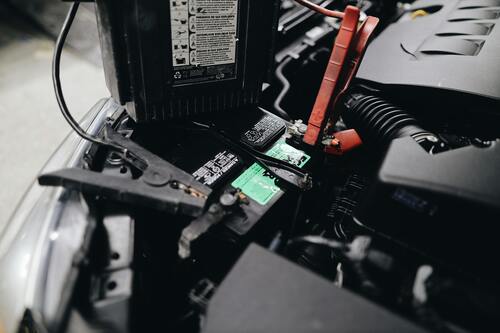
To ensure the vehicle’s electrical system operates properly, knowing the standard car battery voltage is essential. Here are some standard voltage levels in different conditions:
When the engine is off, a healthy car battery voltage is around 12.6 volts, indicating the battery is fully charged. If it drops below 12 volts, it’s a sign you should inspect or service it.
When the engine is running, the voltage increases due to the alternator recharging the battery. Normally, it ranges between 13.5 and 14.5 volts, showing that the charging system is functioning correctly.
If the voltage drops to 12 volts while the engine is on, it may indicate an issue with either the alternator or the battery itself. When it drops to 11 volts or lower, it can cause disruptions in the car’s performance, especially in the engine and electronic components.
If the car’s battery voltage drops below 12 volts, the vehicle’s electrical system will start to experience problems.
That’s why it’s important to maintain your car’s battery regularly. Here are some ways to optimize its condition:
Check the battery water level. If it reaches the minimum mark, refill it according to the battery’s container requirements.
Avoid excessive use of additional accessories, such as neon lights, high-powered audio systems, or chargers that can overload the battery and cause voltage drops.
Routine servicing not only keeps the engine in good condition, but it also ensures the electrical system, especially the battery, functions properly. Regular checks help prevent unstable voltage or loss of power.
Drive wisely, avoid sudden acceleration, and maintain a steady speed. Short trips with frequent stops can prevent the battery from charging fully, potentially leading to a voltage drop.

In summary, a healthy car battery voltage is usually around 12.6 volts when the engine is off and 13.5 – 14.5 volts when the engine is running.
If the voltage falls below this range, it indicates a potential issue with the battery or the charging system that requires immediate inspection.
Maintaining a car battery is not difficult; you just need to check the water level, avoid excessive accessories, perform regular servicing, and drive properly.
With these simple steps, your car’s battery voltage will remain stable, ensuring the electrical system works optimally and extending the battery’s lifespan.
*PT Lippo General Insurance Tbk is licensed and supervised by Financial Services Authority (OJK)

Jakarta, 16 Desember 2019 - MyProtection News
Banyak cara untuk mendapatkan rupiah. Salah satunya dengan menjalankan bisnis barang preloved atau barang bekas. Ide bisnis satu ini sangat sederhana dan membutuhkan modal hampir 0 rupiah. Jika Anda memiliki banyak barang yang menganggur di pojok ruangan Anda, atau pakaian lama yang menumpuk di lemari, maka Anda bisa mempertimbangkan untuk menjualnya.
Akhir-akhir ini tren untuk menjual produk preloved juga semakin meningkat. Pemilik barang bisa meraup keuntungan sekaligus mengurangi space yang terpakai untuk barang preloved. Pembeli juga bisa mendapatkan barang dengan harga lebih murah dan kualitas yang cukup baik. Selain itu, dengan membeli barang bekas bisa mengurangi sampah dan sifat konsumerisme berlebih.
Pilihlah barang yang akan Anda jual
Memilih barang bekas yang akan Anda jual bisa jadi susah-susah gampang. Barang yang bisa Anda jual sangat beragam seperti pakaian layak pakai, mainan bekas, furnitur rumah, pajangan atau barang antik, hingga barang yang besar seperti mobil atau motor. Jangan lupa, Anda hanya bisa menjual barang yang memiliki value atau layak pakai.
Tentukan harga yang sesuai
Biasanya, produk preloved akan memiliki harga yang lebih rendah dari harga beli aslinya. Pertimbangan dalam memberikan harga dapat dilihat dari kebaruan produk, masa pakai dan intensitas penggunaan produk, dan kualitas produk. Misalnya, Anda memiliki baju yang belum pernah terpakai. Anda bisa menjual baju tersebut sebesar 75% - 80% dari harga aslinya. Namun, tidak jarang juga lho terdapat produk preloved yang memiliki harga lebih tinggi daripada harga beli. Contohnya, barang antik dan vintage seperti motor vespa kini memiliki harga tinggi di pasaran.
Pasarkan produk Anda
Setelah menentukan produk yang akan Anda jual beserta harganya, maka langkah terakhir adalah memasarkan produk tersebut. Kini, Anda bisa menjual produk bekas melalui e-commerce atau social media. Jangan lupa untuk mengambil foto terbaik dan produk yang akan Anda jual. Berikan informasi memadai tentang produk bekas yang Anda jual.
Apakah Anda tertarik untuk mencoba berjualan barang bekas?
Salam,
Sahabat MyProtection

Car transmissions are divided into two types, which are manual and automatic. Unlike automatic transmissions, manual transmissions consist of more complex components.
The main difference in manual transmissions lies in the way the gears are shifted and the pedals, where the driver must manually operate them to change gears.
Therefore, the components of manual transmissions are generally more complicated compared to those of automatic transmissions. What are these components and their functions? Let’s take a look!
The transmission input shaft is a key component of manual transmissions that connects to the clutch. These components of a manual transmission have the function to rotate the gears in the gearbox.
The next component is the transmission gears, with their function to convert the engine’s input power into torque output.
This allows the driver to adjust the vehicle’s speed and rotation power according to road conditions.
The synchronizer or adjustment gear functions to equalize the rotational speed between transmission gears, ensuring smooth and safe gear shifts even while the vehicle is moving.
The shift fork functions to move the gears on the shaft, enabling the driver to shift gears as needed.
It serves as the link between the gear lever and the gear mechanism inside the manual transmission.
The shift linkage ensures that the movement of the gear lever is translated into movement in the shift fork, allowing gear changes to occur.
In short, this component effectively transmits the driver’s commands to the gearbox.
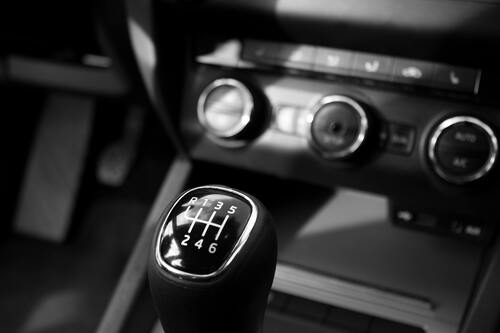
The gear lever, also called a shift stick, allows the driver to control and shift gears based on road conditions and driving needs.
This component gives the driver direct control over gear changes while driving.
The transmission case protects internal components from dirt and external impacts.
It also serves as a container for the transmission of oil and houses critical parts such as the bearing, the input shaft, and the output shaft.
The output shaft transmits rotational power from the transmission system to the propeller shaft, ultimately driving the wheels.
Additionally, it can serve as a mounting point for the gear stick in a vehicle.
Bearings in manual transmissions help reduce friction between components such as the input shaft, output shaft, and counter gear.
This ensures smoother operation, minimizes wear and heat, and improves efficiency.
The counter gear transmits power from the input shaft to the output shaft. It allows the transmission to adjust the correct gear ratio to match vehicle speed and engine torque.
This component plays a crucial role in enabling the car to change speed according to the driver’s needs.
In addition to the components above, manual transmissions also consist of various other parts such as the reverse gear, hub slave, speedometer gear, transmission housing, transmission oil seal, control rod, shift rod end, clutch hub sleeve, hub sleeve, shifting key, spring key, and interlock system.
All these components work together to ensure the manual transmission functions are effective and reliable.
*PT Lippo General Insurance Tbk is licensed and supervised by Financial Services Authority (OJK)


