
Main Menu
MyProfile
Jakarta, 2 Januari 2020 - MyProtection News
Setelah menikmati liburan panjang ke luar atau beristirahat di rumah, tubuh rasanya nyaman dengan mode liburan. Namun, memasuki akhir masa liburan, Anda harus kembali menjalani rutinitas sehari-hari. Simak caranya di bawah ini!
Baca juga: Money Management Tips, Penting untuk Pemula
Selamat beraktivitas kembali!
Salam,
Sahabat MyProtection
Baca juga: 5 Langkah Mempersiapkan Tahun Baru


Mr. Bean, one of the most beloved characters from the self-titled comedy series, is one of the most entertaining and well-loved characters by audiences around the world.
Aside from his distinctive clothing style and the teddy bears that he always carries everywhere, Mr. Bean’s bright yellow-green car has also become an iconic symbol of the character.
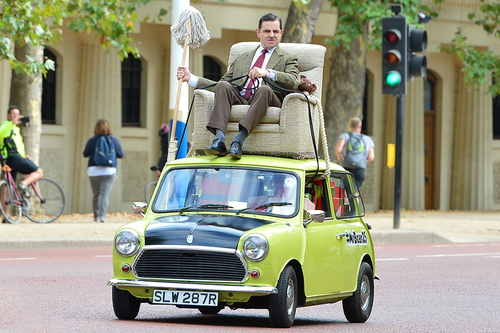
sumber: disway
In this article, we’ll take a closer look at Mr. Bean’s car, from its model and history to its specifications and current market value!
Mr. Bean’s car first appeared in the 1990 pilot episode, and it underwent several changes in both model and color.
Initially, the car that first appeared was orange, but it was eventually changed to a bright yellow or lime green color with a black hood, the version most people are familiar with today.
This color choice was intentional. The vibrant, contrasting colors gave the car a quirky yet easily recognizable appearance, perfectly aligning with Mr. Bean’s eccentric character.
As for the model, the car used is a Leyland Mini 1000, manufactured by British Leyland. This model was first launched in 1959 and was known for being a tough little vehicle, fuel-efficient, compact, and easy to maneuver.
Mr. Bean’s car is a 2-door sedan with a revolutionary design for its time. Its front-engine layout meant a compact engine space, and the entire car measures just 3.1 meters in length, 1.4 meters in width, and 1.3 meters in height.
Like many classic cars, the windows of the Leyland Mini 1000 are manually operated using a crank handle.
Under the hood, the Morris Mini is equipped with a BMC A-series engine, which has a capacity of 848 cc and a 4-cylinder inline OHV configuration.
Due to its compact size, the car also has a relatively small fuel tank capacity of only 25 liters.
As for its iconic exterior design, the Leyland Mini featured aerodynamic styling, a chrome-accented front grille, and large, round headlamps.
The lime green color used on Mr. Bean’s car is a custom paint job, not part of the original Leyland Mini 1000 factory color options, which makes it all the more unique and memorable.
Standard Leyland Mini 1000 models came in a variety of colors, such as gray, yellow, red, and blue.
Due to its classic and iconic design, Mr. Bean’s car is now highly sought after by vintage car collectors, which has driven its market price to impressive heights.
One of Mr. Bean’s cars was once sold at auction for USD 60.000 or around IDR 850 million due to high collector interest.
Current prices for Leyland Minis vary depending on the year of manufacture. For instance:
A 1972 Morris Mini can be found for around IDR 320 million.
A 1986 Morris Mini can sell for around IDR 420 million.
A rate 1989 Morris Mini Rover 30th Anniversary Edition, which only 15 units available in Indonesia is priced at around IDR 580 million.
That wraps up our discussion about the iconic Mr. Bean car, widely recognized for its distinctive color and unique design. Hope it helps!
*PT Lippo General Insurance Tbk is licensed and supervised by Financial Services Authority (OJK)
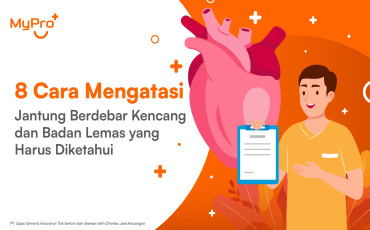
What is the best way to overcome heart palpitations and fatigue? This condition often appears suddenly and makes many people panic.
Not only does the heart beat rapidly, but it can also come with symptoms such as dizziness, shortness of breath, weakness, chest pain, and even fainting, which should be taken seriously.
Therefore, this article will explain in detail what you can do to manage heart palpitations and fatigue effectively.
Jakarta, 27 Februari 2020 - MyProtection News
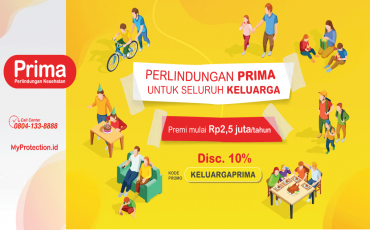
Anda sedang mencari asuransi kesehatan untuk keluarga dengan premi terjangkau? Perlindungan Kesehatan PRIMA bisa jadi pilihan tepat untuk Anda!
Perlindungan Kesehatan PRIMA menawarkan proteksi terhadap ancaman penyakit di masa depan untuk paket individu maupun keluarga. Terdapat manfaat rawat jalan, rawat inap & bedah, serta Saldo Prima. Dengan premi mulai dari Rp 2,5 juta/tahun atau Rp 6 ribu/hari, Anda sudah bisa mendapatkan manfaat berupa rawat inap & bedah di > 900 Rumah Sakit seluruh Indonesia sebesar Rp 100 juta dan fitur unik Saldo Prima sebesar Rp 250.000 untuk membeli obat/vitamin di apotek tanpa resep dokter.
Anggota keluarga yang dapat dijamin oleh Perlindungan Kesehatan PRIMA mulai dari 2 hingga 7 orang anggota keluarga. Anda juga bisa menyesuaikan premi dan manfaat asuransi kesehatan sesuai dengan kebutuhan Anda. MyProtection juga menyediakan program cicilan 12 bulan dengan bunga 0% menggunakan kartu kredit tertentu. Jadi, tak perlu pusing memberikan proteksi untuk seluruh anggota keluarga yang begitu berharga!
Psst…ada juga diskon special selama Maret 2020, yaitu DISKON 10% untuk premi Perlindungan Kesehatan PRIMA dengan kode KELUARGAPRIMA. Syarat dan ketentuan berlaku.
Syarat dan ketentuan:
Anda bisa Pelajari Lebih Lanjut atau Beli Sekarang
Informasi & pertanyaan mengenai produk silakan menghubungi Contact Center: 0804 133 8888 atau cs@myprotection.id


