
Main Menu
MyProfile
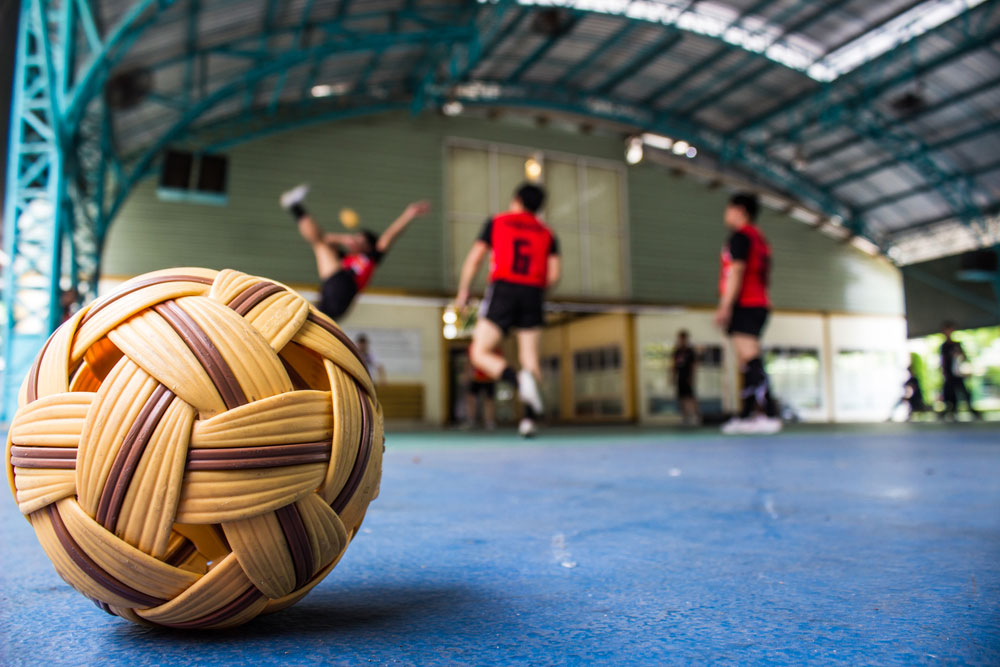
Sepak takraw is a traditional sport played with a small ball, combining techniques from both volleyball and football. In this game, offensive and defensive moves rely heavily on skillful footwork.
Originating in the 15th century, this sport has become popular across several Southeast Asian countries, including Thailand, Malaysia, Indonesia, and the Philippines.
To help MyProtection readers better understand sepak takraw, this discussion will explore its history, rules, and proper techniques in detail. Let’s dive in!



Jakarta, 20 Oktober 2020 - MyProtection News
Apakah Anda termasuk orang yang mudah marah? Selain mengenali penyebab suka marah, Anda juga harus tahu pengaruhnya secara fisik maupun psikis.
Menurut dr. Nurul Afifah, marah yang berlebihan dapat berdampak buruk pada kesehatan. Kebiasaan marah dapat menyebabkan tekanan darah tinggi. Penjelasan dari beliau adalah ketika Anda marah, jantung dituntut untuk kerja lebih keras.
Jantung akan memompa darah lebih kuat sehingga darah mengalir lebih banyak. Saat marah, pembuluh darah juga menjadi lebih kaku. Kombinasi antara aliran darah kuat serta pembuluh darah yang kaku bisa menghasilkan tekanan darah tinggi.
Selain darah tinggi, sering marah-marah juga bisa menyebabkan masalah kesehatan lainnya.
Hasil penelitian yang dipaparkan dalam The European Heart Journal Acute Cardiovascular Care memperlihatkan bahwa marah-marah dapat memicu insiden serangan jantung sebesar 2%. Sedangkan orang yang marah dalam durasi lebih dari 2 jam berisiko 8,5 kali lebih tinggi mengalami serangan jantung.
Selain serangan jantung, risiko seseorang terkena stroke meningkat tiga kali lipat akibat penggumpalan darah ke otak selama dua jam setelah kemarahan yang meluap-luap.
Individu yang memiliki aneurysm atau pembesaran pembuluh darah pada arteri otak pun harus berhati-hati. Pasalnya kemarahan yang meluap-luap dapat menyebabkan aneurysm pecah dan bisa mengancam nyawa.
Fenomena ini mungkin pernah Anda alami setelah merasakan kemarahan yang intens. Sakit kepala dapat terjadi saat marah karena otot-otot dan pembuluh darah menjadi lebih tegang sehingga oasokan oksigen ke otak menjadi berkurang.
Ternyata marah juga mempunyai hubungan erat dengan sistem kekebalan tubuh individu. Ketika kita marah, dr. Nurul memaparkan bahwa level antibodi immunoglobulin A (IgA) bisa menurun selama 6 jam. Fungsi dari antibodi IgA ini banyak ditemukan dalam sekresi tubuh seperti air liur dan bertugas melindungi membran mukosa dari virus atau bakteri.
Ketika seseorang mudah marah, biasanya orang tersebut juga mudah cemas terhadap banyak hal. Sehingga pengidap gangguan kecemasan bisa terpicu untuk marah akibat rasa takut dan kekhawatiran terhadap suatu masalah.
Bukan hanya gangguan kecemasan, kebiasaan tak sehat berupa marah-marah juga bisa menimbulkan stress. Pasalnya, stress timbul karena tekanan mental akibat emosi yang tak terkendali dapat membuat salah satu bagian saraf hypotalamic pituitary menjadi hiperaktif.
Ketika rasa stress dan emosi yang meluap ini tidak dikendalikan dengan baik atau terus berulang, seseorang bisa mengidap depresi, gangguan tidur, hingga penuaan dini. Oleh karena itu Anda sangat dianjurkan untuk mengolah rasa marah dan emosi negative agar tubuh tetap sehat secara fisik maupun psikis.
Salam,
Sahabat MyProtection
Uterine fibroids, also known as leiomyomas, fibroids, or myomas, are a medical condition where benign tumors grow in the muscles or connective tissues of the uterus.
Although non-cancerous, uterine fibroids can lead to several complications if not properly managed. These include anemia, restricted fetal growth during pregnancy, miscarriage, impaired blood circulation, and many others.
To better understand this condition, let’s take a closer look at the causes, symptoms, risk factors, and available treatments for uterine fibroids in the following discussion.

Some of the oldest countries in the world are believed to have existed and developed since 6500 BC, marked by the growth of settled communities and the development of these regions.
These ancient countries have been established for hundreds or even thousands of years, making them some of the oldest nations in the world with long histories in human civilization, such as India and China.
MyProtection Friends must be curious about which countries are considered the oldest in the world, along with their history and influence on human civilization. Check out the information below!


