
Main Menu
MyProfile



Jakarta, 26 Mei 2020 - MyProtection News
Hi, Sahabat MyProtection!
Ketika Anda makan, metabolisme tubuh akan berperan untuk mengubah makanan yang masuk ke tubuh menjadi energi. Sehingga Anda memiliki tenaga untuk beraktivitas sehari-hari.
Proses metabolisme dalam tubuh biasanya akan berkurang seiring dengan bertambahnya usia. Salah satu dampak dari menurunnya proses metabolisme tubuh adalah penambahan berat badan. Selain usia, ada gejala lain yang menandakan bahwa metabolisme dalam tubuh bermasalah dan harus segera di atas. Berikut ini lima gejala yang mungkin Anda alami.
Salah satu tanda bahwa metabolism dalam tubuh bermasalah adalah berat badan terus bertambah walaupun Anda sudah mengatur pola makan. Apalagi jika makanan yang Anda konsumsi cenderung rendah lemah atau rendah gula. Walaupun memang metabolism akan melambat seiring bertambahnya usia, jika Anda mencurigai penambahan berat badan tak normal, segera berkonsultasi dengan dokter atau ahli gizi.
Proses metabolisme, selain menghasilkan energi, juga menghasilkan panas alami dalam tubuh. Jika Anda merasa lebih mudah atau sering merasa kedinginan daripada biasanya, maka bisa jadi Anda mengalami gangguan metabolisme.
Ada banyak hal yang bisa membuat Anda lelah. Misalnya olahraga secara intens, kurang tidur, atau kegiatan fisik lainnya yang membuat tubuh harus banyak bergerak. Namun, jika Anda merasa lebih mudah lelah, mungkin saja proses metabolisme dalam tubuh tidak mengubah asupan makanan menjadi energi secara sempurna.
Tubuh sering kali mengirimkan sinyal kepada tubuh lewat rasa “ngidam” atau cravings. Contohnya jika Anda sering “ngidam” atau menginginkan makanan manis dan bertepung padahal asupan gizi & istirahat harian telah tercukupi. Kemungkinan asupan gizi dari makanan yang Anda konsumsi tidak terserap secara efektif sehingga Anda terus menerus memiliki hasrat untuk makan, khususnya yang mengandung gula dan tepung.
Penampilan luar tubuh merupakan cerminan dari kesehatan dalam tubuh. Ketika metabolisme tubuh terganggu, proses perbaikan sel kulit dan rambut tidak bekerja secepat biasanya. Sehingga kulit dan rambut terasa kering. Namun gejala ini juga bisa disebabkan asupan gizi yang buruk.
Salam,
Sahabat MyProtection
Jakarta, 29 Maret 2020 - MyProtection News
Ketika berpuasa, ada berbagai tantangan yang bisa kita hadapi. Salah satunya menahan rasa lapa dan haus. Tubuh pun rentan mengalami kekurangan cairan dan nutrisi tubuh karena waktu makan terbatas. Gangguan kesehatan yang lazim terjadi saat berpuasa adalah panas dalam.
Aswin Pramono, dokter ahli penyakit dalam dari RS Carolus Jakarta menyatakan bahwa panas dalam bisa berhubungan dengan kekurangan cairan tubuh. Apalagi jika asupan hidrasi tidak dipenuhi ketika buka puasa dan tubuh.
Ketika tubuh panas dalam akibat dehidrasi saat berpuasa maka efek yang bisa dirasakan adalah demam ringan, air liur kering, kelenturan kulit terganggu serta bibir pecah-pecah. Jika dibiarkan terus menerus, tubuh akan mudah terserang flu dan penyakit lainnya.
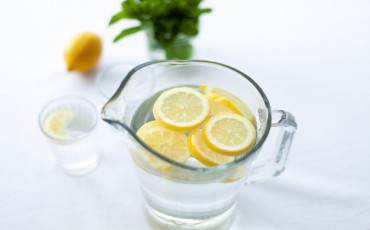
Oleh karena itu penting untuk minum air putih yang cukup, bahkan saat puasa. Triknya adalah minum segelas air putih saat berbuka & setelah salat magrib. Dilanjutkan 2 gelas air putih setelah berbuka atau makan besar. Lalu 1 gelas air putih setelah tarawih dan 1 gelas lagi sebelum tidur. Kemudian Anda bisa meminum segelas air putih saat sahur dan 2 gelas air putih seusai sahur. Pastikan Anda minum setidaknya 8 gelas atau 2 liter air putih sesuai kebutuhan dan kondisi tubuh.
Anda juga bisa mengonsumsi beberapa makanan saat panas dalam mulai menyerang. Contohnya seperti jeruk yang kaya vitamin C, buah pisang untuk memperlancar pencernaan, susu & yoghurt yang bernutrisi. Berbagai buah-buahan ini bisa Anda olah menjadi takjil atau jus agar tak membosankan.
Salam,
Sahabat MyProtection
What is the best way to overcome heart palpitations and fatigue? This condition often appears suddenly and makes many people panic.
Not only does the heart beat rapidly, but it can also come with symptoms such as dizziness, shortness of breath, weakness, chest pain, and even fainting, which should be taken seriously.
Therefore, this article will explain in detail what you can do to manage heart palpitations and fatigue effectively.


