
Main Menu
MyProfile
Unlike manual cars, where the driver must shift gears manually, an automatic car transmission changes gears automatically based on driving speed and pressure on the gas pedal.
Although driving an automatic car is simpler, understanding the letters and numbers on the gear lever is just as important. In this article, we’ll go through each symbol and explain how to use it correctly.
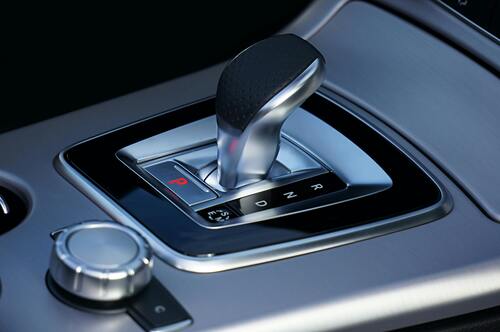
The P or Parking position locks the transmission system, preventing the car from moving.
This mode is used when the vehicle is completely stopped, especially when parking, to avoid unintentional movement on uneven surfaces.
The R or Reserve position is used to move the car backward. Before anything else, you need to make sure the car has come to a complete stop before shifting into reverse.
It is because it will help to prevent any damage to the automatic transmission and will help with longevity.
The N or Neutral position keeps the engine running but does not send power to the wheels.
In this mode, the car can still be pushed forward or backward. Neutral is commonly used for short stops, such as at traffic lights or in traffic jams.
This position is also useful for parallel parking, allowing the car to be moved if necessary.
The D or Drive position is one of the most used on the transmission system, and its function is to move the car forward.
In this mode, the automatic transmission shifts gears smoothly depending on acceleration needs and driving speed.
This is the most commonly used gear while driving since the driver only needs to control the gas and brake pedals without worrying about gear changes.
The 2nd gear position limits transmission shifts to the second gear only.
This mode is ideal for driving on light uphill roads or mild downhill slopes. By restricting the gear to this position on the transmission system, the car can generate enough power while maintaining stability.
The 1 or Low gear on the transmission system is used for heavy-duty driving conditions, such as steep inclines or declines.
At this position, the transmission locks into first gear, providing maximum torque for climbing hills or controlling speed when driving downhill for safer handling.
The Shift Lock is an additional feature that allows the driver to move the gear lever from P to N even when the engine is turned off.
This is especially useful when parking in parallel, as it allows the car to be moved without starting the engine.
The shift lock ensures the wheels are not locked, making it easier to reposition the car when needed.
Understanding the meaning of each gear symbol in an automatic car is essential for safe and efficient driving.
By using the correct gear in the right situation, you can protect your transmission system while ensuring a smoother driving experience.
*PT Lippo General Insurance Tbk is licensed and supervised by Financial Services Authority (OJK)


Did you know that car tire pressure can directly affect driving comfort and performance?
For example, tires with low pressure are more prone to puncture on rocky roads and may increase the risk of accidents. On the other hand, tires with excessively high pressure raise the risk of aquaplaning on wet roads.
So, what is the ideal car tire pressure based on vehicle type, load weight, and tire size? Let’s dive into the details below!
Because tire pressure plays a crucial role, knowing the ideal tire pressure for your car is essential.
In general, the recommended tire pressure depends on the type of car, wheel size or rim, and the manufacturer’s specifications.
To ensure your tire pressure is right, you can check the tire-loading information that is usually found on the driver’s side door frame of the car.
Another factor that influences the required tire pressure is vehicle loading. The heavier the load the car carries, the higher the tire pressure should be.
Although it varies, here are some common standards for ideal tire pressure based on popular car types in Indonesia:
For SUV cars, the ideal car tire pressure is around 35 – 40 psi
For sedan cars, the ideal car tire pressure is around 30 – 33 psi
For city cars, the ideal car tire pressure is around 30 – 36 psi
For MPV cars, the ideal car tire pressure is around 33 – 36 psi
There are also some standard recommendations for ideal car tire pressure based on rim size:
Rim 13 tires, which include size 155/70 R13, 165/70 R13, 185/70 R13, 205/70 R13, the ideal car tire pressure is around 28 – 31 psi.
Rim 14 tires, which include size 165/65 R14, the ideal car tire pressure is around 28 – 29 psi for the front tires and 25 – 26 psi for the rear tires.
Rim 14 tires, which include size 165/70 R14, the ideal car tire pressure is around 30 – 33 psi for both front and rear tires.
Rim 14 tires, which include size 175/50 R14, the ideal car tire pressure is around 29 – 32 psi for the front tires and 26 – 30 psi for the rear tires.
Rim 15 tires, which include size 175/55 R15, 175/60 R15, 175/65 R15, the ideal car tire pressure is around 30 – 32 psi for both front and rear tires.
Tips to Maintain Ideal Car Tire Pressure
To keep your tire pressure in optimal condition, here are some useful tips that you should know:
Maintain a standard vehicle load and avoid carrying excessive weight, as this can affect tire pressure.
Check regularly if the pressure drops, adjust it immediately to maintain performance, prevent wear, and reduce driving risks.
Avoid filling air when tires are hot, hot tires have higher internal pressure, and adding more air can make the pressure too strong, increasing the risk of a tire burst.
Inspect tire walls frequently, uneven roads, sharp objects, or small stones stuck to the tire walls can cause leaks and reduce tire pressure.
Monitor pressure during cold weather, in low temperatures, tire pressure naturally drops, leading to instability, higher fuel consumption, uneven wear, and potential accidents
*PT Lippo General Insurance Tbk is licensed and supervised by Financial Services Authority (OJK)

Jakarta, 23 April 2020 - MyProtection News
Akibat dari pandemi, sebagian besar masyarakat mau tak mau harus berdiam diri di rumah. Kegiatan bekerja dan belajar pun dilakukan di kediaman masing-masing. Kelas online dan meeting online menjadi hal yang lumrah.
Aktivitas konsumsi pun bisa ikut terpengaruh. Tagihan listrik yang mungkin membengkak karena Anda harus rajin mengisi daya laptop dan ponsel. Biaya pulsa pun bertambah karena Anda harus berkomunikasi jarak jauh dengan rekan kerja.
Namun, Anda harus bijaksana dalam mengatur perubahan konsumsi agar kantong tetap aman selama dan sesudah pandemi COVID-19. Belum lagi beberapa perusahaan mulai mengurangi gaji bahkan jumlah karyawan karena terkena imbas dari wabah.
Hal yang harus Anda lakukan adalah mengenali pola konsumsi. Jika Anda sudah menghabiskan waktu beberapa minggu bekerja dari rumah, Anda akan menemukan pola konsumsi sehari-hari. Jika Anda baru mulai bekerja dari rumah, maka Anda perlu mencatat pengeluaran harian.
Setelah mengenali pola konsumsi harian, Anda bisa memilih pengeluaran mana yang bisa dikurangi dan dihemat, bahkan dialihkan. Contohnya, biaya transportasi bulanan Anda bisa disubsidi silang untuk membayar tagihan listrik dan pulsa. Jika Anda tinggal sendiri, maka ini saatnya Anda berhemat dengan membeli bahan makanan di pasar swalayan dan mencoba memasak sendiri.
Kunci utama dari mengelola keuangan Anda di tengah pandemic adalah berhemat dan menabung. Kita tidak pernah tahu bagaimana perkembangan dunia ke depan. Tak ada salahnya berhemat dan menyiapkan dana darurat. Atur prioritas keuangan Anda, lakukan penyesuaian, dan keluarkan uang untuk hal yang diperlukan saja.
Anda bisa menerapkan pola keuangan 50-30-20. 50% dari pendapatan Anda digunakan untuk membayar tagihan dan keperluan pokok seperti listrik, biaya kos, tagihan kartu kredit, dan belanja bulanan. Lalu, 30% dari gaji bisa Anda gunakan untuk membeli keperluan sekunder atau tersier. Terakhir, Anda wajib menyisihkan 20% untuk ditabung atau diinvestasikan. Namun, untuk masa sekarang ini, akan lebih bijak jika Anda memprioritaskan uang untuk ditabung daripada dibelanjakan untuk hal yang tak terlalu penting.
Langkah terakhir untuk menjaga keuangan tetap sehat selama pandemi adalah membuka usaha. Apalagi sebagian orang harus mengalami pengurangan gaji bahkan pemberhentian kerja sementara. Memang tak mudah untuk memulai usaha di tengah situasi sulit seperti ini. Namun, selama ada niat pasti ada jalan.
Anda bisa memulai dengan hal kecil seperti berjualan barang bekas yang masih layak dipakai. Coba periksa baju di lemari dan perabotan rumah Anda yang diam menganggur untuk dijual. Bagi Anda yang jago memasak, bisa juga mencoba untuk berjualan kue dan masakan rumah lainnya. Siapa yang tak ingin menyantap masakan rumah yang bersih, lezat, dan segar?
Semoga Anda dan keluarga sehat dan aman selalu. Anda, tim MyProtection, serta seluruh masyarakat dunia bersama-sama berjuang mengalahkan COVID-19. Putus rantai penyebaran virus dengan berdiam diri di rumah, rajin mencuci tangan dengan air dan sabun, gunakan masker saat bepergian, dan jaga jarak.
Salam,
Sahabat MyProtection
There are two types of taxes applied in Indonesia based on the collection method, namely direct taxes and indirect taxes. These taxes are differentiated by their characteristics, functions, and legal basis.
A direct tax is a type of tax that must be paid directly by the taxpayer and cannot be transferred to another party. Some examples of direct taxes in Indonesia include Income Tax (PPh), Land and Building Tax (PBB), and Motor Vehicle Tax (PKB), which will be discussed further in this article.
To better understand the definition of direct taxes, various examples of direct taxes in Indonesia, and the differences between direct and indirect taxes, read the following information!


